Baby Teeth Eruption Timeline: A Parent's Guide to Teething
Watching your baby's first tooth appear is an exciting milestone, but it often comes with sleepless nights and a fussy little one. Many parents in Sector 39, Gurugram bring their babies to us with questions about whether teething is on schedule and how to ease the discomfort. This guide covers the typical eruption timeline, common symptoms, and simple care tips.
The Typical Baby Teeth Eruption Timeline
Every child is a little different, but baby teeth (also called milk teeth or primary teeth) generally follow a predictable order. There are 20 primary teeth in total, and most children have all of them by around age 3.
| Tooth | Typical Age of Eruption |
|---|---|
| Lower central incisors | 6 to 10 months |
| Upper central incisors | 8 to 12 months |
| Upper lateral incisors | 9 to 13 months |
| Lower lateral incisors | 10 to 16 months |
| First molars | 13 to 19 months |
| Canines | 16 to 23 months |
| Second molars | 23 to 33 months |
By around 2.5 to 3 years, most children have a full set of 20 baby teeth. Some variation of a few months on either side is common and usually nothing to worry about.
Common Teething Symptoms
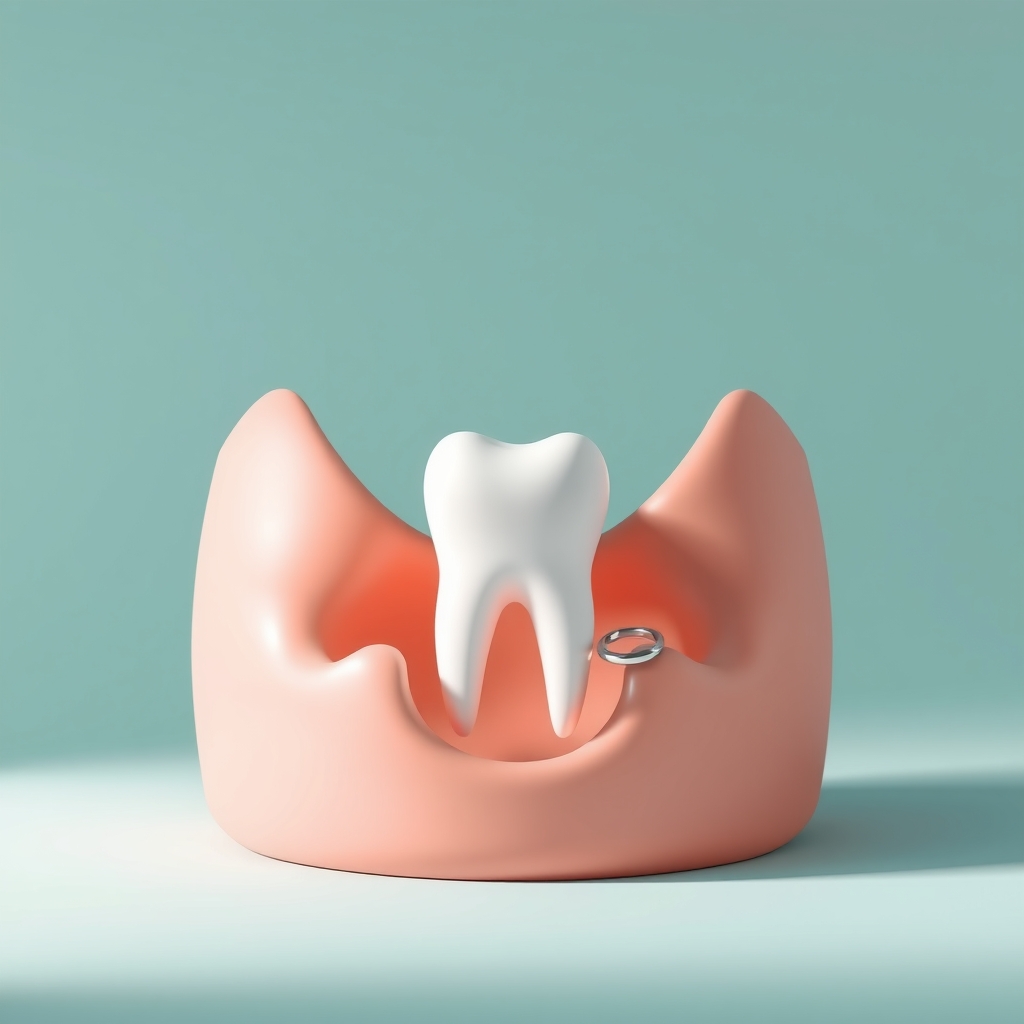
As teeth push through the gums, many babies show mild discomfort. Common signs include:
- Increased drooling
- Swollen, tender, or reddened gums
- Fussiness or irritability, especially in the evening
- Chewing or gnawing on fingers, toys, or other objects
- Mild disruption to sleep or feeding
- Slightly loose stools or a mild rise in temperature
Teething does not usually cause high fever, severe diarrhoea, rashes, or persistent vomiting. If your baby has these symptoms, it is likely something else, and you should consult a paediatrician.
How to Care for Emerging Teeth
Easing Teething Discomfort
- Offer a clean, chilled (not frozen) teething ring for your baby to chew on
- Gently massage the gums with a clean finger or soft, damp cloth
- Wipe away drool frequently to prevent skin irritation around the mouth and chin
- Ask your paediatrician about appropriate pain relief if your baby seems very uncomfortable
Avoid amber teething necklaces due to choking and strangulation risks. Teething gels containing benzocaine are also generally not recommended for infants, so check with your paediatrician before using any topical product.
Cleaning New Teeth
Oral care should begin even before the first tooth appears. Here is a simple approach as teeth start to emerge:
- Before teeth appear, wipe your baby's gums gently with a clean, damp gauze or soft cloth after feeds
- Once the first tooth appears, start brushing twice a day with a soft, infant-sized toothbrush
- Use a rice-grain sized smear of fluoride toothpaste for children under 3 years, as advised by your dentist
- Avoid putting your baby to bed with a bottle of milk or juice, as this increases the risk of early tooth decay
- Start weaning off the bottle and encourage cup drinking around the first birthday
When to See a Dentist
Most teething is straightforward, but it is worth getting a professional opinion if you notice:
- No teeth at all by 14 to 18 months
- Teeth that look discoloured, pitted, or unusually shaped
- Signs of decay, such as white or brown spots on teeth
- Persistent gum swelling, bleeding, or a bad smell from the mouth
- High fever, refusal to feed, or signs of illness alongside teething symptoms
Regular dental check-ups from an early age help track your child's dental development and catch small concerns before they grow. If you are a parent in Sector 39, Gurugram and have questions about your baby's teething or would like a first dental visit, the team at Keep Smiling Dental is happy to guide you through it.
Have questions about your teeth?
Keep Smiling Dental · Near Medanta, Sector 39, Gurugram
Frequently asked questions
At what age do babies usually get their first tooth?
Most babies get their first tooth between 6 and 10 months, usually a lower front tooth. Some babies get their first tooth as early as 3 months or as late as 14 months, and this is usually still normal. If there is no tooth by 14 to 18 months, get it checked by a dentist.
Does teething cause fever or diarrhoea?
Teething can cause a mild rise in temperature and slightly loose stools in some babies, but it does not cause high fever, vomiting, or true diarrhoea. If your child has a fever above 100.4°F or is unwell, treat it as a separate illness and consult your paediatrician.
Is it safe to use teething gels or amber necklaces?
Amber necklaces are not recommended as they pose a choking and strangulation risk. Most teething gels with benzocaine are also not advised for infants due to safety concerns. Chilled teething rings, gentle gum massage, and paediatrician-approved pain relief are safer options.
When should I bring my baby for their first dental visit?
It is recommended to schedule a first dental visit within six months of the first tooth appearing, or by the child's first birthday, whichever comes first. This helps catch any issues early and lets parents ask questions about care.
Treatment costs mentioned on this page are indicative ranges for the Sector 39, Gurugram region. Your exact cost depends on your case and will be confirmed after a clinical examination at the clinic.