Dental Bridge vs Implant: A Comparison Guide for Missing Teeth
Losing a tooth, whether from decay, injury, or gum disease, is more common than most people think. The good news is that modern dentistry offers reliable ways to replace it. Two of the most trusted options are dental bridges and dental implants. If you are a patient near Sector 39, Gurugram weighing these choices, this guide breaks down how each works and when one may suit you better than the other.
What Is a Dental Bridge?
A dental bridge is a fixed replacement for one or more missing teeth. It works by anchoring an artificial tooth, called a pontic, to the natural teeth on either side of the gap. Those neighbouring teeth are shaped slightly and covered with crowns, which support the bridge and hold it firmly in place. Once fitted, a bridge looks and functions much like your natural teeth and does not come out for cleaning.
How the Bridge Procedure Works
- The dentist examines the gap and the health of the neighbouring teeth through a clinical check and X-rays.
- The supporting teeth are gently reshaped to make room for crowns.
- An impression or digital scan is taken to design the bridge in a dental lab.
- A temporary bridge is placed while the permanent one is prepared.
- The final bridge is checked for fit and bite, then cemented in place.
What Is a Dental Implant?
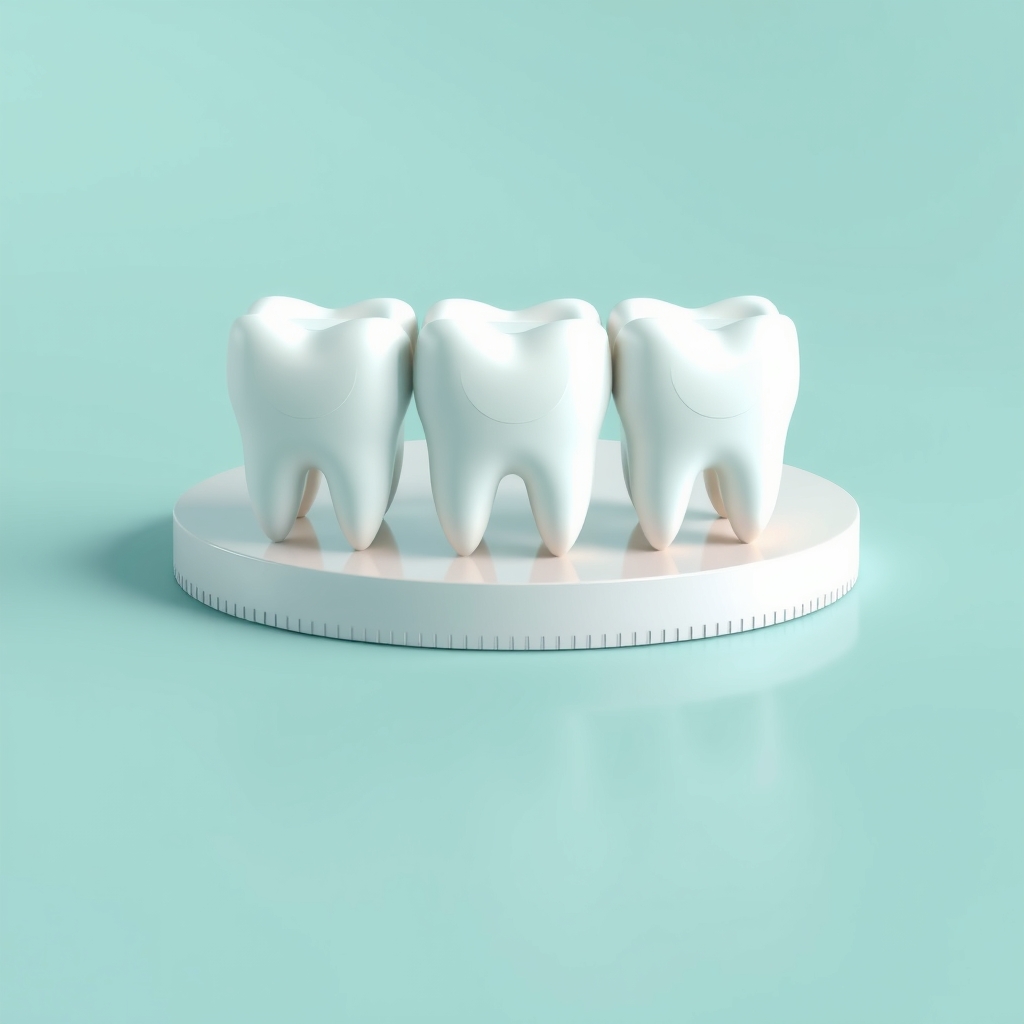
A dental implant is a small titanium post placed into the jawbone, acting as an artificial tooth root. After it fuses with the bone over a few months, a crown is attached on top. Unlike a bridge, an implant does not rely on neighbouring teeth for support, since it stands independently in the bone.
Bridge vs Implant: Key Differences
| Factor | Dental Bridge | Dental Implant |
|---|---|---|
| Impact on neighbouring teeth | Requires shaping adjacent teeth | No effect on nearby teeth |
| Treatment time | Usually completed in 2 to 3 visits over 1 to 2 weeks | Several months, due to healing time |
| Bone health requirement | Not dependent on jawbone volume | Needs sufficient healthy jawbone |
| Longevity | Typically 8 to 15 years | Can last 15 years or longer with care |
| Cost | Generally lower upfront cost | Generally higher upfront cost |
| Maintenance | Requires special floss under the pontic | Cleaned much like a natural tooth |
When a Bridge May Be the Better Choice
- The teeth next to the gap already have large fillings or crowns and could benefit from reinforcement.
- You want a faster solution without a surgical procedure or healing period.
- Your jawbone at the missing tooth site is thin and you prefer to avoid bone grafting.
- Budget is a concern, since a bridge typically costs less upfront than an implant.
- You have a medical condition that makes minor oral surgery inadvisable at this time.
When an Implant May Be the Better Choice
- The teeth beside the gap are healthy and you would rather not alter them.
- You are missing a single tooth with no other teeth needing crowns nearby.
- You want a long-term solution that helps preserve jawbone density over time.
- You are comfortable with a longer treatment timeline for a potentially longer-lasting result.
Cost Considerations in Sector 39, Gurugram
Costs vary based on the number of teeth involved, the materials used, and each patient's oral health. As a general guide, a dental bridge in this area typically falls in the range of Rs 15,000 to Rs 40,000 per unit, while a dental implant typically falls in the range of Rs 30,000 to Rs 60,000 per tooth, excluding the crown. These are only typical ranges, and your dentist can give you a clearer estimate once your mouth has been examined.
Making the Right Choice for You
There is no single correct answer for everyone. The best option depends on the condition of your remaining teeth, your bone health, your budget, and how soon you need the gap filled. A thorough clinical examination and X-rays are the only reliable way to know which treatment suits your mouth. If you are near Medanta, Sector 39, Gurugram and thinking about replacing a missing tooth, a consultation at Keep Smiling Dental can help you compare both options based on your specific needs before you decide.
Have questions about your teeth?
Keep Smiling Dental · Near Medanta, Sector 39, Gurugram
Frequently asked questions
Is a dental bridge painful to get?
No. The procedure is done under local anaesthesia, so you should not feel pain during treatment. Mild sensitivity in the prepared teeth for a few days afterward is normal and manageable with regular painkillers.
How long does a dental bridge last?
With good oral hygiene and regular dental visits, a well-made bridge typically lasts 8 to 15 years, sometimes longer. Its lifespan depends on the health of the supporting teeth and how well you care for it.
Can I get a bridge if I have gaps on both sides of the missing tooth?
A traditional bridge needs healthy teeth on both sides of the gap to act as anchors. If teeth are missing on only one side, a cantilever bridge or an implant may be considered instead.
Will insurance or cost stop me from choosing an implant?
Implants usually cost more upfront than bridges, though the exact amount depends on your case. Our team at Keep Smiling Dental can walk you through the typical range for both options during your consultation.
Treatment costs mentioned on this page are indicative ranges for the Sector 39, Gurugram region. Your exact cost depends on your case and will be confirmed after a clinical examination at the clinic.