Dental Sealants for Children: A Simple Way to Prevent Cavities
Many parents in Sector 39, Gurugram ask us how they can stop cavities before they start, especially in their child's back teeth. Dental sealants are one of the simplest and most effective tools for this. They are quick to apply, painless, and can meaningfully lower the risk of decay in molars, which are the teeth most prone to cavities in growing children.
What Are Dental Sealants?
A dental sealant is a thin, protective coating applied to the chewing surface of back teeth, usually molars. These teeth have deep grooves and pits that are hard to clean fully with a toothbrush, even with good brushing habits. Food particles and bacteria can settle into these grooves and lead to cavities over time.
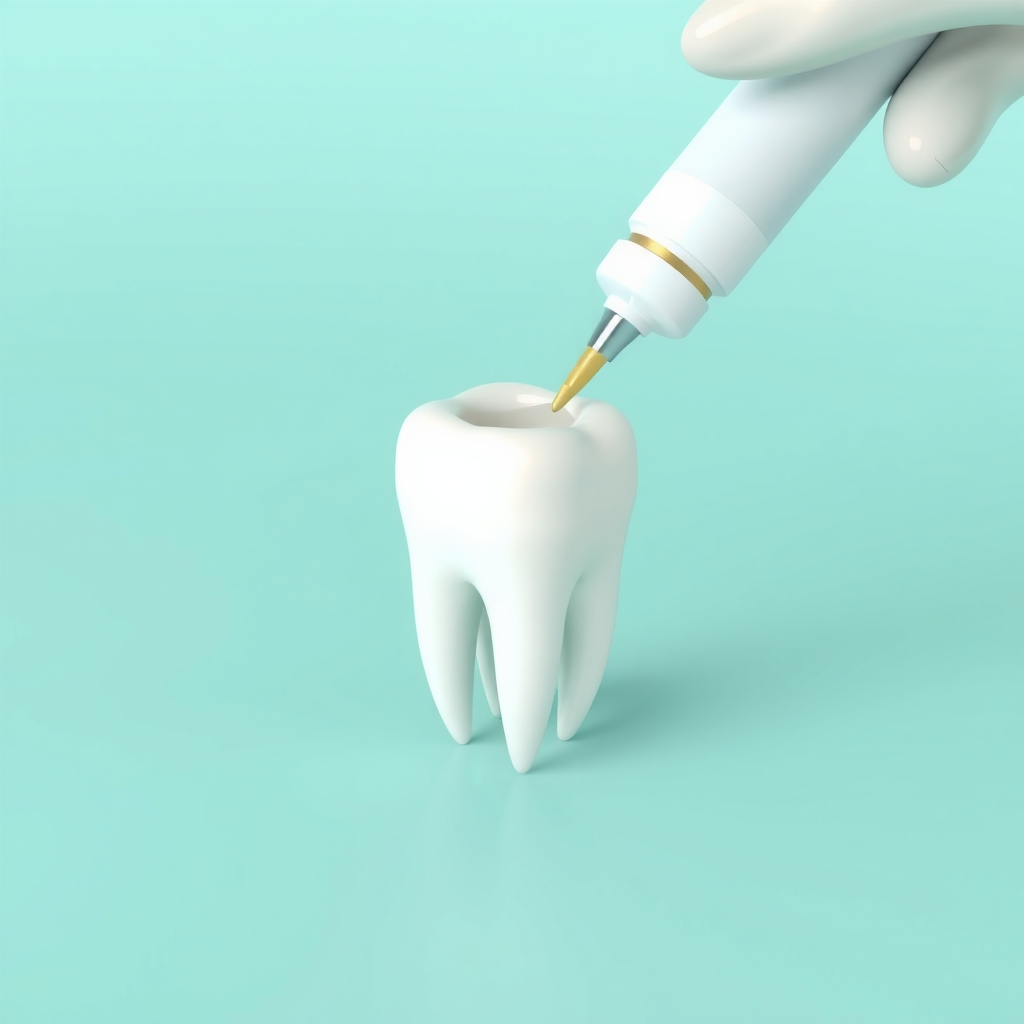
The sealant acts like a smooth shield over these grooves, making it much harder for plaque and food debris to get trapped. It is a preventive step, not a treatment for existing decay.
How Sealants Protect Against Cavities
Children's molars, especially the first permanent molars that come in around age 6, are at high risk of decay because:
- Their grooves are naturally deep and narrow
- Kids often struggle to brush these back teeth thoroughly
- These teeth are used heavily for chewing, so they are exposed to food often
By sealing these grooves early, dentists can reduce the chances of cavities forming in these vulnerable spots. This is especially useful for children who have had cavities before or who find brushing back teeth difficult.
The Sealant Application Process
One of the reasons sealants are so popular with parents is how simple the process is. It usually takes just a few minutes per tooth and does not need any injections or drilling.
- Cleaning: The tooth surface is cleaned and dried thoroughly.
- Preparation: A mild conditioning gel is applied briefly to help the sealant bond well, then rinsed off.
- Drying: The tooth is dried again to keep the surface ready for the coating.
- Application: The sealant material is painted onto the grooves of the tooth.
- Curing: A special light is used to harden the sealant within seconds.
Most children tolerate this well since there is no pain, pressure, or noise involved. It can often be done in the same visit as a routine dental checkup.
Which Teeth Usually Get Sealants
Sealants are most commonly placed on permanent molars and premolars, since these have the deepest grooves. Some dentists may also recommend sealants for certain baby molars if a child has a history of frequent cavities, though this depends on the individual case.
Are Sealants Safe?
Dental sealants have been used for decades and are considered a safe, well-studied preventive measure. The material used is biocompatible and designed to withstand normal chewing forces. Your dentist will check the sealants during regular visits to make sure they remain intact.
Typical Cost of Dental Sealants in Gurugram
Cost can vary depending on the number of teeth being sealed and the clinic. As a general guide for families near Sector 39, Gurugram, here is a typical range:
| Service | Typical Range (INR) |
|---|---|
| Sealant per tooth | Rs 800 to Rs 1,800 |
| Full set (4 molars) | Rs 3,000 to Rs 6,500 |
These figures are only indicative and the exact cost will depend on your child's specific needs after an in-person examination. We recommend discussing options directly with your dentist for an accurate estimate.
Sealants Are Just One Part of Prevention
While sealants offer strong protection for molars, they work best alongside good daily habits. Encourage your child to brush twice a day, floss where possible, limit sugary snacks, and visit the dentist every six months. Sealants reduce risk, they do not eliminate the need for care.
If you are considering sealants for your child, our team near Sector 39, Gurugram can assess whether your child's molars are ready and walk you through the simple process during a routine visit.
Have questions about your teeth?
Keep Smiling Dental · Near Medanta, Sector 39, Gurugram
Frequently asked questions
At what age should my child get sealants?
Sealants are usually recommended soon after the first permanent molars erupt, around age 6, and again around age 12 when second molars come in. Your dentist will check if your child's teeth are ready.
Do sealants hurt or need anaesthesia?
No. The procedure is painless and does not require numbing or drilling in most cases, since it only involves cleaning the tooth surface and applying a coating.
How long do dental sealants last?
Sealants typically last 3 to 5 years with normal use, sometimes longer. Your dentist will check them at routine visits and reapply if they wear down or chip.
Can sealants replace brushing and flossing?
No. Sealants add extra protection to the chewing surfaces of molars, but daily brushing, flossing, and regular dental checkups are still needed to keep teeth healthy.
Treatment costs mentioned on this page are indicative ranges for the Sector 39, Gurugram region. Your exact cost depends on your case and will be confirmed after a clinical examination at the clinic.