Diabetes and Gum Health: Why They Affect Each Other
If you have diabetes, your gums need more attention than you might think. The link between diabetes and gum health runs both ways: high blood sugar makes gum disease more likely, and gum disease can make blood sugar harder to control. Understanding this connection helps you protect both your smile and your overall health.
How Diabetes Affects Your Gums
When blood sugar levels stay high for long periods, several changes happen in the mouth that increase the risk of gum problems:
- Reduced healing: High glucose slows down tissue repair, so minor gum irritation can turn into infection more easily.
- Weaker infection fighting: Diabetes can lower the body's ability to fight the bacteria that cause gum disease.
- Dry mouth: Many diabetic patients produce less saliva, which normally helps wash away food particles and bacteria.
- Higher sugar in saliva: This can encourage the growth of bacteria that cause plaque and gum inflammation.
Because of this, diabetic patients are more likely to develop gingivitis (early gum inflammation) and periodontitis (advanced gum disease that affects the bone supporting teeth).
How Gum Disease Affects Blood Sugar
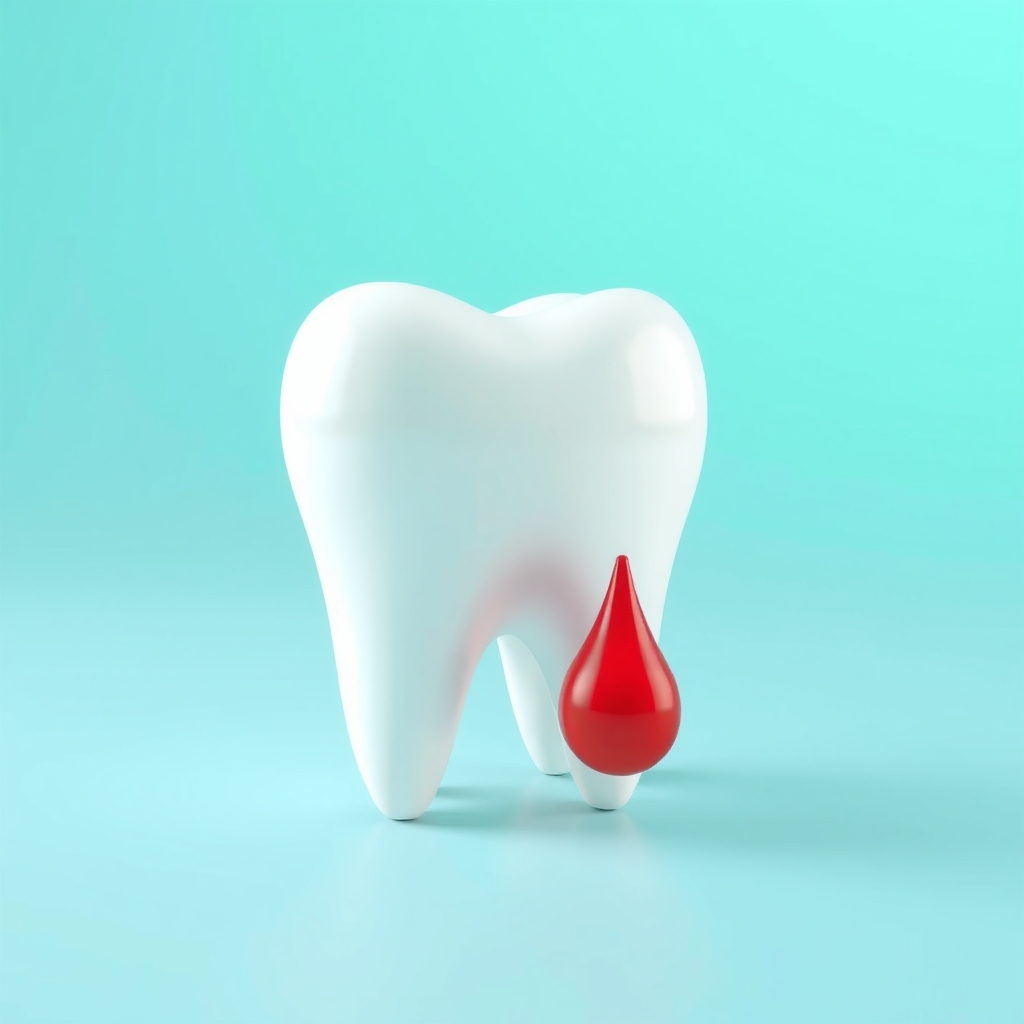
The relationship is not one-directional. Gum disease causes ongoing low-grade inflammation in the body. This inflammation can make cells more resistant to insulin, which makes it harder to keep blood sugar within a healthy range. Patients who treat their gum disease often notice it becomes easier to manage their diabetes alongside their regular treatment plan.
Signs of Gum Trouble to Watch For
- Gums that bleed while brushing or flossing
- Red, swollen, or tender gums
- Persistent bad breath
- Gums pulling away from teeth, making teeth look longer
- Loose teeth or changes in how your bite fits together
If you notice any of these signs, it is worth getting checked sooner rather than waiting for your next routine visit.
A Care Routine Built for Diabetic Patients
The basics of oral care stay the same, but diabetic patients benefit from being extra consistent and watchful.
Daily Habits
- Brush twice a day with a soft-bristled brush and fluoride toothpaste
- Floss once daily to remove plaque between teeth where a brush cannot reach
- Rinse with an alcohol-free mouthwash if your mouth tends to feel dry
- Stay hydrated to help with saliva flow
- Avoid smoking, which adds further strain on gum healing
Blood Sugar and Dental Care Together
- Keep blood sugar as close to your target range as possible, since well-controlled diabetes lowers gum disease risk significantly
- Tell your dentist about your diabetes type, medications, and recent HbA1c readings
- Schedule dental visits more frequently, typically every 3 to 4 months instead of twice a year
- Mention any changes in blood sugar control before dental procedures, as this can affect healing and treatment planning
What Happens at a Dental Visit
During your check-up, the dentist will look closely at gum pockets, bleeding points, and bone support around your teeth. Professional cleaning removes plaque and tartar that daily brushing cannot fully clear. If early gum disease is found, a deep cleaning called scaling and root planing may be recommended. For patients at Keep Smiling Dental near Medanta, Sector 39, Gurugram, we also coordinate with your physician when needed, particularly before procedures like extractions or implant placement.
| Treatment | Typical Range (INR) |
|---|---|
| Routine cleaning | 1,500 to 3,000 |
| Scaling and root planing (per quadrant) | 2,000 to 4,500 |
| Gum disease follow-up visit | 500 to 1,200 |
These are typical ranges only. Your dentist will give you an exact estimate after examining your gums and reviewing your diabetes history.
A Two-Way Effort
Managing diabetes and gum health together works best as a team effort between you, your physician, and your dentist. Good blood sugar control supports healthy gums, and healthy gums make it easier to manage your blood sugar. Neither should be treated in isolation. If you live near Sector 39, Gurugram and have diabetes, regular dental check-ups are one of the simplest ways to protect your long-term health.
Have questions about your teeth?
Keep Smiling Dental · Near Medanta, Sector 39, Gurugram
Frequently asked questions
Does gum disease affect blood sugar levels?
Yes. Active gum infection can make blood sugar harder to control because inflammation interferes with how the body uses insulin. Treating gum disease often helps blood sugar management too.
How often should diabetic patients visit the dentist?
Most dentists recommend a check-up and cleaning every 3 to 4 months for diabetic patients, rather than the usual 6-month gap, especially if blood sugar is not well controlled.
Can diabetic patients get dental implants?
Many diabetic patients can get implants successfully if blood sugar is well controlled. Your dentist will check your HbA1c levels and overall gum health before recommending implants.
Why do diabetics get more mouth infections?
High blood sugar reduces the body's ability to fight bacteria and slows healing. This makes gums, and sometimes the tongue and inner cheeks, more prone to infections and slower to recover.
Treatment costs mentioned on this page are indicative ranges for the Sector 39, Gurugram region. Your exact cost depends on your case and will be confirmed after a clinical examination at the clinic.