Tooth Enamel Erosion: Causes, Treatment, and Prevention
If your teeth look thin, slightly see-through at the edges, or feel more sensitive than they used to, you may be noticing enamel erosion rather than a cavity. Both problems can make teeth look and feel similar, but the causes and treatment are quite different. Understanding which one you are dealing with helps you protect your smile before more damage builds up.
What Is Tooth Enamel Erosion?
Enamel is the hard, protective outer layer of your teeth. Enamel erosion happens when acids gradually soften and wear this layer away, exposing the softer dentin underneath. Unlike a cavity, erosion is not caused by bacteria eating through the tooth. It is a slow chemical process that affects the whole tooth surface rather than one localised spot.
Common Signs of Enamel Erosion
- Teeth that look yellowish because dentin is showing through thinned enamel
- Edges of front teeth that appear translucent or slightly see-through
- Increased sensitivity to hot, cold, sweet, or sour foods
- Smooth, shiny patches on the tooth surface
- Rounded or worn-looking edges on front teeth
What Causes Enamel Erosion?
Several everyday habits and health conditions can wear down enamel over time. Most people have more than one factor contributing.
Acidic Foods and Drinks
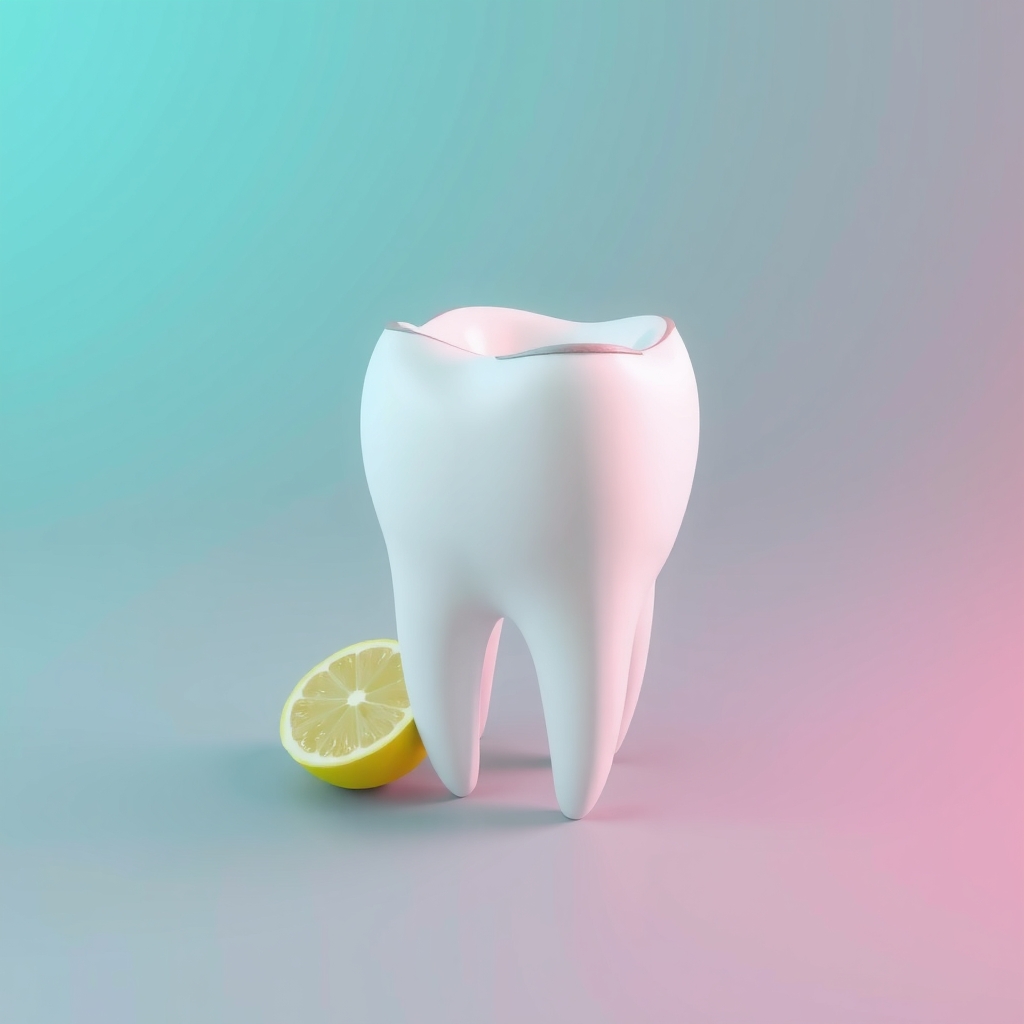
Frequent consumption of citrus fruits, carbonated soft drinks, fruit juices, vinegar-based foods, and sports drinks exposes teeth to acid repeatedly through the day. It is not just sugar that harms enamel, acidity alone can soften it within minutes of exposure.
Acid Reflux and Vomiting
Conditions like GERD, frequent heartburn, or repeated vomiting bring stomach acid into contact with teeth. This acid is far stronger than most dietary acids and tends to affect the inner surfaces of the upper front teeth first.
Over-Brushing and Poor Brushing Habits
Brushing too hard, using a hard-bristled brush, or brushing immediately after eating acidic food can physically scrub away enamel that has been temporarily softened by acid. This is a common but often overlooked cause of erosion in people who are otherwise diligent about oral care.
Dry Mouth
Saliva helps neutralise acids and remineralise enamel. Reduced saliva flow, from certain medications, mouth breathing, or medical conditions, gives acids more time to act on the teeth.
How Erosion Differs From Cavities
| Feature | Enamel Erosion | Cavity (Tooth Decay) |
|---|---|---|
| Cause | Acid exposure (diet, reflux, brushing habits) | Bacterial acid from plaque buildup |
| Pattern | Widespread, affects whole tooth surface | Localised hole or pit in one area |
| Appearance | Smooth, thin, translucent, yellowish | Dark spot, visible hole, rough edge |
| Progression | Gradual thinning over months or years | Can progress faster if untreated |
Treatment Options for Enamel Erosion
Treatment depends on how much enamel has been lost and what is causing it. Your dentist near Medanta, Sector 39, Gurugram, will usually start by identifying the underlying cause before recommending a fix.
- Fluoride treatments: Professional fluoride application or prescription toothpaste can strengthen remaining enamel and reduce sensitivity.
- Dental bonding: Tooth-coloured resin can be applied to rebuild worn edges and improve appearance for mild to moderate erosion.
- Crowns or veneers: For more significant enamel loss, crowns or veneers protect the tooth and restore its shape and strength.
- Managing reflux: If acid reflux is the cause, working with a physician to manage the condition is an important part of treatment.
The typical range for bonding to repair mild erosion is often lower than crowns, while veneers or crowns for more extensive wear fall into a higher typical range. Your dentist can give you a clearer estimate after an examination, since costs depend on the number of teeth involved and the material used.
Preventing Further Enamel Loss
- Limit frequent sipping of acidic or fizzy drinks, and use a straw when you do have them
- Wait at least 30 minutes after eating or drinking something acidic before brushing
- Use a soft-bristled toothbrush with gentle pressure
- Rinse your mouth with plain water after acidic meals or reflux episodes
- Chew sugar-free gum to encourage saliva flow if you have dry mouth
- See your dentist regularly so early erosion can be caught and managed
Enamel erosion develops slowly, which means small changes in diet and brushing habits can make a real difference over time. If you have noticed thinning, sensitivity, or changes in the colour of your teeth, an evaluation can help identify the cause early and prevent further wear.
Have questions about your teeth?
Keep Smiling Dental · Near Medanta, Sector 39, Gurugram
Frequently asked questions
How do I know if I have enamel erosion or a cavity?
Erosion usually causes smooth, thinned, or yellowish teeth with sensitivity to hot, cold, or sweet foods, without an obvious hole. A cavity often shows a visible pit, dark spot, or localised pain. A dental check-up with an X-ray is the only reliable way to tell them apart, since both can occur together.
Can eroded enamel grow back?
No. Enamel does not regenerate once it is lost, since it has no living cells. Treatment focuses on stopping further erosion, strengthening the remaining enamel with fluoride, and restoring badly worn teeth with bonding or crowns.
Is brushing harder better for cleaning my teeth?
No. Brushing too hard, especially right after eating something acidic, can wear away softened enamel faster. A soft-bristled brush with gentle, circular strokes and a fluoride toothpaste is safer and just as effective.
Does acid reflux really affect my teeth?
Yes. Stomach acid that reaches the mouth, whether from reflux, GERD, or frequent vomiting, is strong enough to soften and dissolve enamel over time, particularly on the inner and back surfaces of the upper teeth.
Treatment costs mentioned on this page are indicative ranges for the Sector 39, Gurugram region. Your exact cost depends on your case and will be confirmed after a clinical examination at the clinic.