How Tongue, Lip, and Cheek Piercings Can Affect Your Dental Health
Oral piercings on the tongue, lips, or cheeks are a popular way to express personal style. What many people do not realise is that the metal jewelry sits very close to teeth, gums, and enamel every single day. Over months and years, that constant contact can cause problems that are avoidable with the right care. If you already have a piercing or are thinking about getting one, here is what you should know.
Why Oral Piercings Put Teeth and Gums at Risk
The mouth is always moving. When you talk, chew, and swallow, jewelry like barbells or rings can knock against teeth thousands of times a day. This repeated contact is the main reason dental problems develop slowly over time rather than overnight.
Chipped and Cracked Teeth
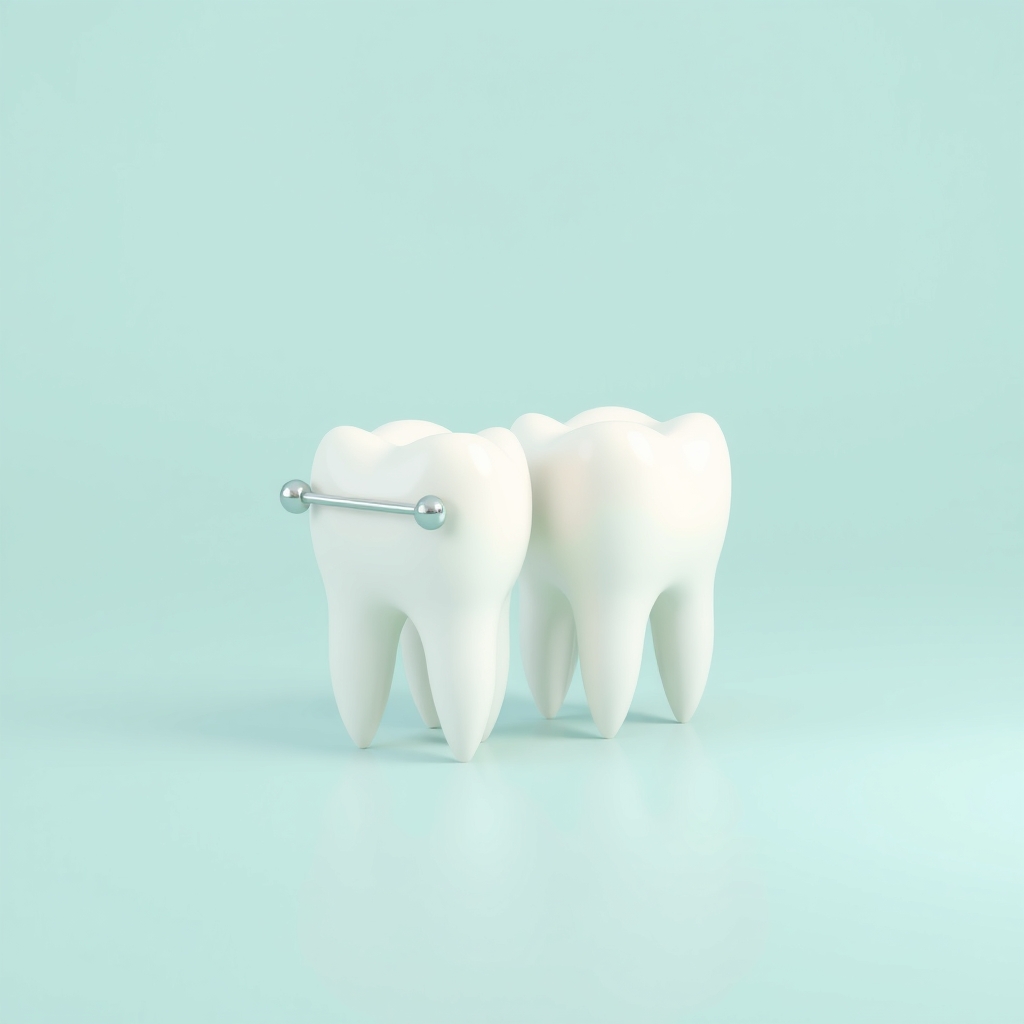
Metal is harder than tooth enamel. A tongue barbell clicking against your front teeth or a lip ring rubbing your lower teeth can cause small chips that grow into larger cracks. Back teeth used for chewing near a cheek piercing face similar wear.
Gum Recession
Lip and cheek piercings often rest against the gum line. Constant rubbing can wear the gum tissue away, exposing the tooth root underneath. Receded gums do not grow back on their own and can lead to sensitivity and a higher risk of decay near the root.
Enamel Wear and Sensitivity
Even without a visible chip, the friction from jewelry can gradually thin enamel. Thinner enamel means more sensitivity to hot, cold, and sweet foods, and a higher chance of cavities forming in that spot.
Infection and Swelling
The mouth carries a lot of bacteria, and a fresh piercing is an open wound. Swelling, infection, and prolonged healing are common in the first few weeks. In rare cases, infection can spread and become a more serious health concern.
Speech and Chewing Changes
Jewelry in the tongue or cheek can affect speech clarity and how comfortably you chew, especially with larger or newer pieces.
Care Tips to Reduce Dental Risks
If you have decided to keep your piercing, these habits can lower the chances of dental damage.
- Choose jewelry made of surgical-grade titanium or niobium, which tends to be gentler on tissue than lower-quality metals.
- Ask your piercer for the shortest bar length that is comfortable, since shorter jewelry has less room to knock against teeth.
- Avoid clicking or playing with the jewelry against your teeth, a common habit that speeds up chipping.
- Clean the piercing and your mouth as directed, including gentle brushing and an alcohol-free antiseptic rinse during healing.
- Check the jewelry regularly for looseness, since a loose ball or bead can become a choking hazard or fall against teeth harder.
- Remove jewelry during sports, exercise, or sleep if your piercer and dentist agree it is safe to do so at your healing stage.
When to See a Dentist
Do not wait for a problem to become painful. Book a visit if you notice any of the following.
- A chip, crack, or rough edge on a tooth near the piercing
- Gums that look thinner, redder, or pulled back near the jewelry
- Ongoing sensitivity to cold or sweet foods in one area
- Swelling, pain, or discharge around the piercing site
- Jewelry that feels loose or has visibly moved
At Keep Smiling Dental, near Medanta in Sector 39, Gurugram, we regularly check for early piercing-related wear during routine exams so small issues do not turn into bigger ones. Repairing a chipped tooth found early is usually simpler and more affordable than treating a deeper crack later on.
What Treatment Might Involve
| Issue | Possible Treatment | Typical Range (INR) |
|---|---|---|
| Minor chip smoothing | Enamel contouring or small bonding repair | 1,500 to 4,000 |
| Larger chip or crack | Composite bonding or filling | 2,500 to 7,000 |
| Gum recession | Evaluation, cleaning, possible gum graft consult | Varies after examination |
| Sensitivity from enamel wear | Desensitizing treatment or protective coating | 1,000 to 3,000 |
These are typical ranges only. Your actual cost depends on the extent of damage and treatment chosen, which we can only confirm after an in-person examination.
Oral piercings can be a personal choice you are comfortable with, as long as you stay aware of how they interact with your teeth and gums. Regular dental visits, careful jewelry choices, and prompt attention to early warning signs go a long way in protecting your smile for years to come.
Have questions about your teeth?
Keep Smiling Dental · Near Medanta, Sector 39, Gurugram
Frequently asked questions
Can a tongue piercing be safe if I am careful?
Some people wear tongue jewelry for years without major issues, but risk never fully goes away. Choosing a shorter barbell, checking it often, and getting regular dental checkups reduces the chances of damage.
How soon after getting a piercing should I see a dentist?
It is a good idea to visit within a few weeks of getting a new oral piercing so we can check healing, look for early enamel wear, and confirm the jewelry fits well against your teeth and gums.
What should I do if my piercing is chipping my tooth?
Stop wearing the jewelry against that tooth if possible and book a dental visit soon. Even small chips can weaken the tooth further if left unchecked, and we can smooth or restore the area.
Does removing the piercing reverse the damage?
Removing jewelry stops further harm but existing gum recession, chips, or cracks usually need treatment to correct. The earlier you address it, the simpler the fix tends to be.
Treatment costs mentioned on this page are indicative ranges for the Sector 39, Gurugram region. Your exact cost depends on your case and will be confirmed after a clinical examination at the clinic.