Orthodontic Retainers: How to Wear, Clean, and Store Them After Braces or Aligners
Finishing braces or aligner treatment is a big milestone, but the work does not end when the brackets come off or the last aligner is done. Retainers hold your teeth in their new position while the bone and gum tissue settle. Skipping this step is one of the most common reasons teeth drift back out of alignment. Here is a simple guide for patients in Sector 39, Gurugram on the types of retainers, how to wear them, and how to keep them clean and in good shape.
Types of Orthodontic Retainers
Your orthodontist will recommend a retainer type based on your treatment, bite, and lifestyle. The three most common options are:
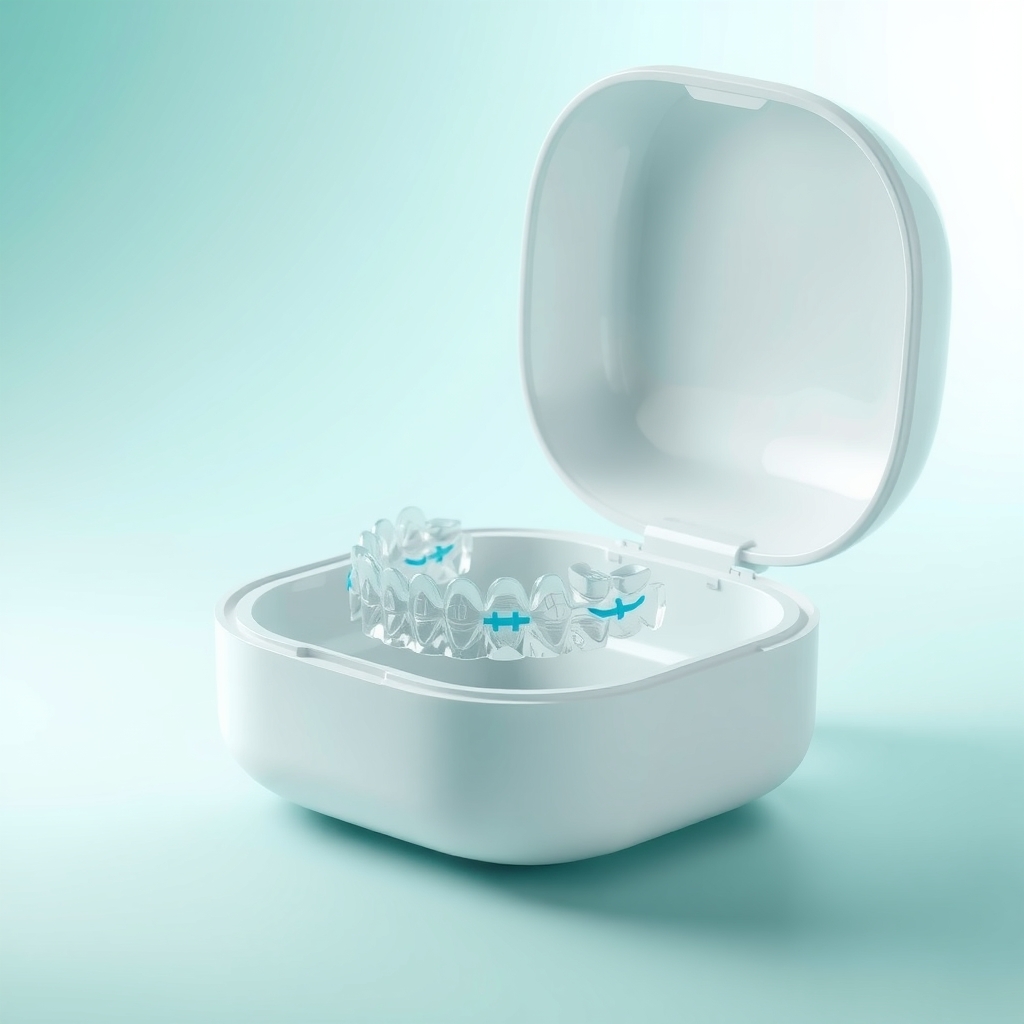
- Clear (removable) retainers: These look similar to aligners and are made of thin, transparent plastic. They are nearly invisible and comfortable but can crack or warp if exposed to heat.
- Hawley retainers: A classic design with a acrylic plate that sits on the roof or floor of the mouth and a thin metal wire across the front teeth. They are durable and adjustable but more visible.
- Fixed (bonded) retainers: A thin wire bonded to the back of the front teeth, usually the lower ones. They work around the clock without patient effort but need careful cleaning around the wire.
Many patients get a combination, for example a fixed retainer on the lower front teeth and a removable one for the upper arch.
How Long and How Often to Wear Retainers
Wear schedules vary, but a general pattern most dentists follow looks like this:
- First 3 to 6 months: Full-time wear, removing only to eat, brush, and floss.
- Next 6 to 12 months: Nightly wear only, as teeth stabilise.
- Long term: Most dentists suggest wearing a removable retainer a few nights a week or every night indefinitely, since teeth can shift gradually with age even years after treatment.
Fixed retainers stay in place continuously and do not need a wear schedule, but they should be checked at regular dental visits to make sure the wire has not loosened or broken.
Cleaning Your Retainer
A clean retainer prevents bad odour, staining, and bacterial buildup that can affect your gums and teeth.
For removable retainers
- Rinse with lukewarm water every time you take it out.
- Brush gently with a soft toothbrush and mild soap or a non-abrasive cleaner, never regular toothpaste.
- Soak once or twice a week in a retainer cleaning solution or a mix of water and a small amount of white vinegar, then rinse well.
- Avoid hot water, dishwashers, or direct sunlight, since heat can warp the plastic.
For fixed retainers
Use a floss threader or interdental brush to clean under and around the wire daily. Regular flossing string alone often cannot reach behind a bonded retainer.
Storing Your Retainer Safely
- Always keep it in its case when not worn. Wrapping it in a tissue or napkin often leads to it being thrown away by mistake.
- Keep the case away from pets, as dogs are commonly drawn to the smell of saliva on retainers.
- Do not leave it in a hot car or near direct heat sources.
Signs You Need a Retainer Check or Replacement
Visit your dentist if you notice any of the following:
- The retainer feels tight or does not seat fully, which may mean teeth have already started to shift.
- Visible cracks, warping, or a broken wire.
- A fixed retainer wire feels loose or you notice a sharp edge poking your tongue.
- Persistent bad smell even after cleaning.
| Retainer Type | Typical Lifespan | Typical Range for Replacement |
|---|---|---|
| Clear removable | 6 months to 2 years | Rs 3,000 to Rs 8,000 |
| Hawley (wire and acrylic) | 2 to 5 years | Rs 4,000 to Rs 9,000 |
| Fixed (bonded) retainer | 3 to 10 years | Rs 2,500 to Rs 6,000 |
These are only typical ranges seen in Sector 39, Gurugram and can vary based on materials used and the extent of repair needed. Your dentist can give you an exact estimate after an examination.
Making Retainer Wear a Lasting Habit
The years right after orthodontic treatment set the pattern for how straight your smile stays for life. A little daily care, cleaning, and a proper case for storage go a long way in protecting the investment you already made in your teeth. If your retainer feels off in any way, do not wait, since small issues are far easier to fix early.
Have questions about your teeth?
Keep Smiling Dental · Near Medanta, Sector 39, Gurugram
Frequently asked questions
How long do I really need to wear my retainer?
Most dentists recommend full-time wear for the first few months, then nightly wear indefinitely. Teeth can shift at any age, so long-term night wear is the safest habit.
What happens if I skip wearing my retainer for a few days?
A short break of a day or two usually feels tight when you put it back in but is not harmful. Skipping for weeks or months can allow teeth to shift, sometimes requiring re-treatment.
Can I clean my retainer with toothpaste?
Regular toothpaste is slightly abrasive and can scratch clear retainers, making them cloudy and more prone to bacteria buildup. Use a soft brush with mild soap or a retainer cleaning solution instead.
How often do retainers need to be replaced?
Clear retainers typically last 6 months to 2 years with proper care, while wire and acrylic retainers can last several years. Cracks, warping, or a loose fit mean it is time for a replacement.
Treatment costs mentioned on this page are indicative ranges for the Sector 39, Gurugram region. Your exact cost depends on your case and will be confirmed after a clinical examination at the clinic.