Water Flosser vs String Floss: Which One Should You Use?
Choosing between a water flosser and traditional string floss is a common question for patients in Sector 39, Gurugram who want to keep their gums healthy and prevent cavities between teeth. Both tools aim to remove plaque and food debris that brushing alone cannot reach, but they work differently and suit different needs. Here is a clear, honest comparison to help you decide.
How Each Tool Works
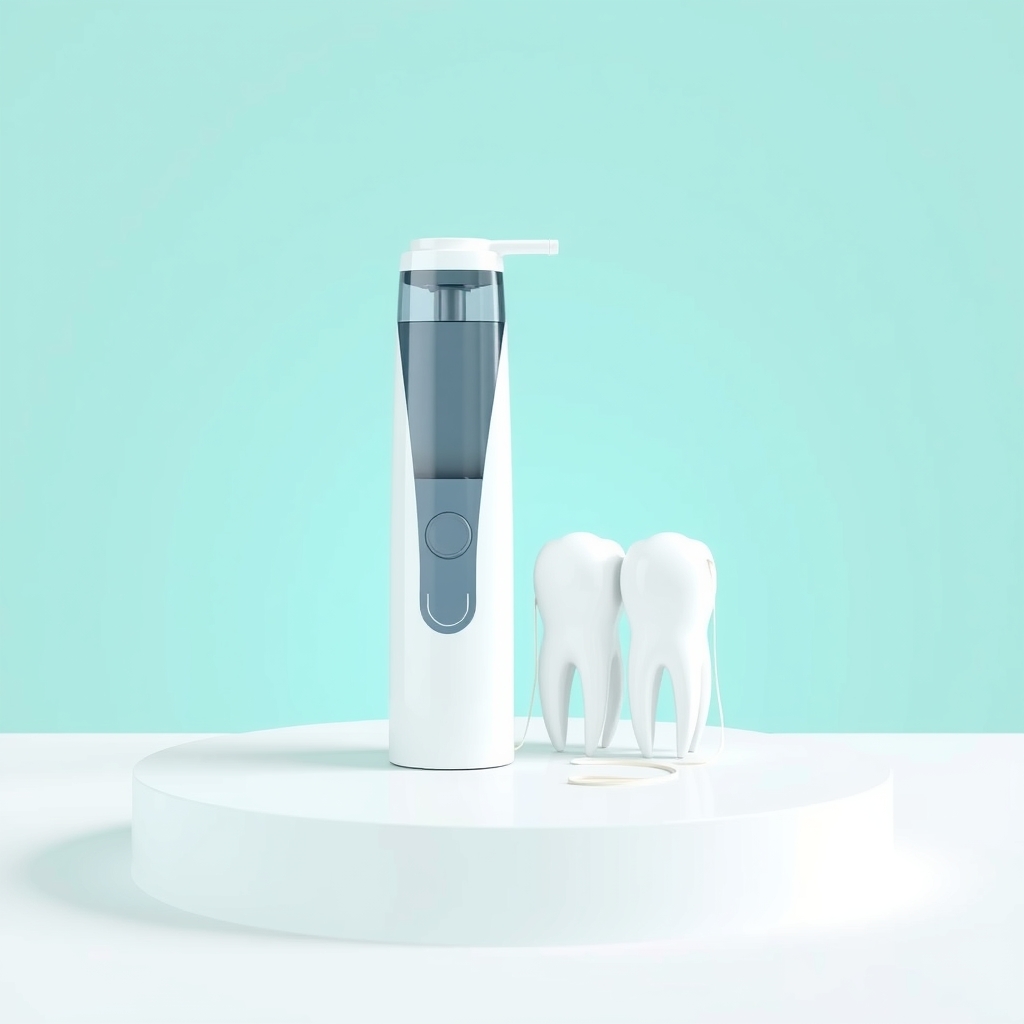
String floss is a thin thread that you guide between teeth and along the gumline to physically scrape away plaque and trapped debris. It has been the standard recommendation from dentists for decades because it directly contacts the tooth surface.
A water flosser uses a steady, pulsating stream of water to flush out debris and disrupt plaque along the gumline and between teeth. It does not scrape the tooth surface the way string floss does, but it can reach areas that string floss may miss, such as under bridges or around orthodontic wires.
Effectiveness for Plaque Removal
Research generally shows that string floss, when used correctly with proper technique, is very effective at removing plaque between teeth because of the direct contact with tooth surfaces. However, most people do not floss with ideal technique consistently, which reduces its real-world effectiveness.
Water flossers have been shown to reduce gum inflammation and plaque, particularly in people with gum disease, braces, or dental work like crowns and implants. They may not remove all plaque as thoroughly as perfect string flossing technique, but they are often more effective than string floss used incorrectly or inconsistently.
Quick Comparison
| Factor | String Floss | Water Flosser |
|---|---|---|
| Plaque removal | Excellent with correct technique | Good, especially at gumline |
| Ease of use | Requires practice and dexterity | Simple, minimal technique needed |
| Best for braces or implants | Can be difficult | Generally easier and gentler |
| Portability | Very portable, low cost | Needs a device and power source |
| Gum sensitivity | Can irritate if too rough | Gentle, adjustable pressure |
Ease of Use
String floss requires some manual dexterity. Reaching back teeth and maintaining the correct angle can be tricky for children, older adults, or anyone with limited hand mobility. Many patients in Sector 39 tell us they skip flossing simply because it feels fiddly or their gums bleed when they try.
Water flossers are generally easier to use, especially for people who struggle with string floss. You simply aim the water stream along the gumline and between teeth. This makes them a good option for children learning oral hygiene habits or for elderly patients with arthritis or limited grip strength.
Who Should Choose Which
String Floss May Suit You If:
- You have good manual dexterity and are comfortable with technique
- You want a low-cost, portable option for travel
- You do not have braces, bridges, or complex dental restorations
A Water Flosser May Suit You If:
- You have braces, implants, bridges, or crowns that are hard to floss around
- You have sensitive or bleeding gums and want a gentler option
- You find string floss uncomfortable or difficult to use consistently
- You have limited hand mobility or dexterity
Can You Use Both?
Many dentists, including our team at Keep Smiling Dental near Medanta, Sector 39, recommend using both tools when possible. A water flosser can flush out loose debris and reduce bacteria along the gumline, while string floss can handle tighter contact points between teeth. If you can only commit to one, choose the one you will actually use every day, since consistency matters more than the specific tool.
Cost Considerations
String floss is inexpensive and widely available. A basic water flosser device typically costs more upfront, though prices vary by brand and features. In Sector 39, Gurugram, patients often ask about the typical range for water flosser devices locally, which can vary from budget countertop models to premium cordless versions. Your dentist can help you decide if the investment makes sense for your specific oral health needs.
Getting Personalised Advice
Every mouth is different, and factors like gum health, spacing between teeth, and any existing dental work can influence which flossing method works best for you. If you are unsure which option suits your situation, a quick chat with your dentist during your next visit can help clarify the right choice for lasting oral hygiene.
Have questions about your teeth?
Keep Smiling Dental · Near Medanta, Sector 39, Gurugram
Frequently asked questions
Can a water flosser fully replace string floss?
For most people, a water flosser can be a good primary tool, but combining it with occasional string flossing gives the most thorough plaque removal, especially between tightly spaced teeth.
How often should I use a water flosser?
Once daily is generally enough, ideally after brushing, to flush out food particles and reduce plaque along the gumline.
Do water flossers help with bad breath?
Yes, they can help by removing trapped food debris and bacteria between teeth, which are common causes of bad breath.
Is string floss bad for gums if I have braces or implants?
String floss can be harder to manoeuvre around braces, bridges, or implants. Many patients in these situations find water flossers gentler and easier to use effectively.
Treatment costs mentioned on this page are indicative ranges for the Sector 39, Gurugram region. Your exact cost depends on your case and will be confirmed after a clinical examination at the clinic.