Scaling and Root Planing (Deep Cleaning): What to Expect
If your dentist has recommended "deep cleaning" instead of your usual cleaning, it is natural to wonder why, and what the procedure actually involves. This article explains scaling and root planing in plain terms, how it differs from a routine cleaning, and when it becomes necessary.
What Is Scaling and Root Planing?
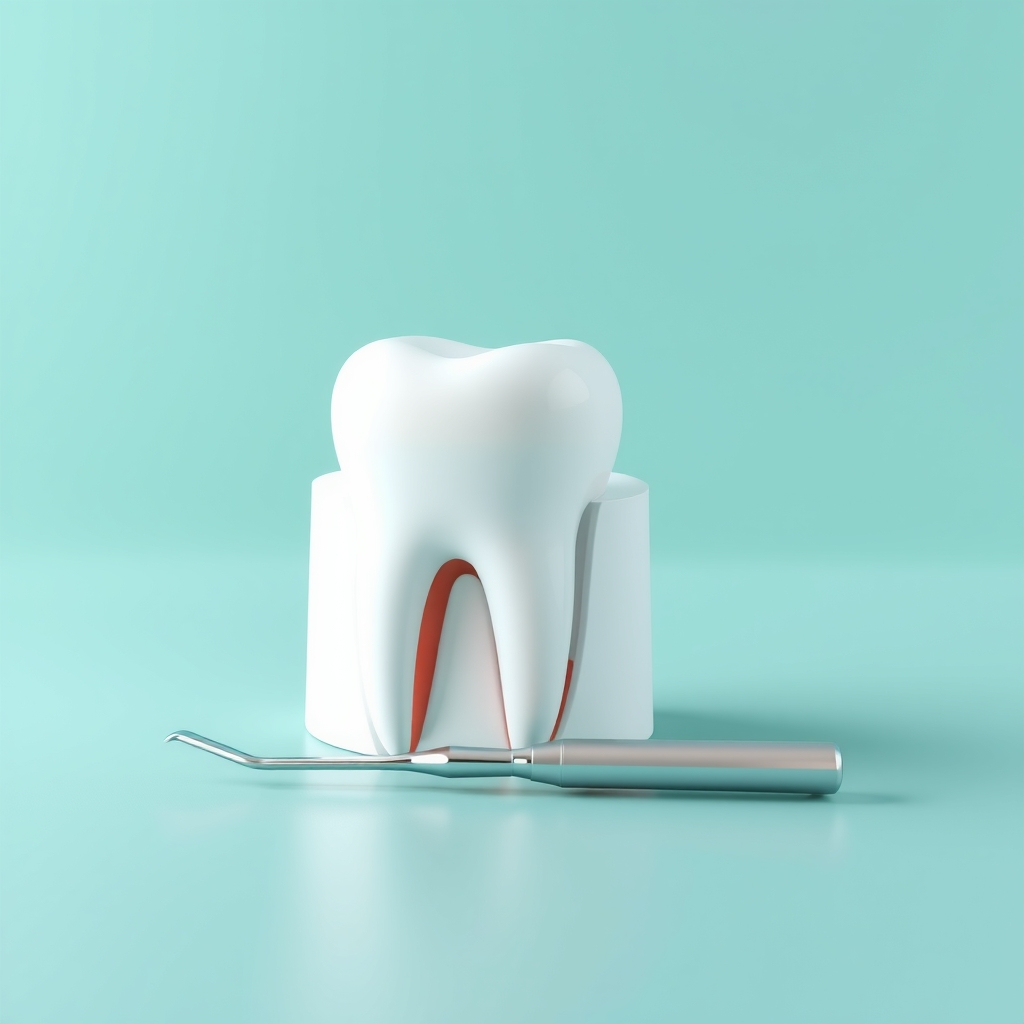
Scaling and root planing, commonly called deep cleaning, is a non-surgical treatment used to manage gum disease. It has two parts working together to restore gum health.
- Scaling: removes plaque and tartar (hardened plaque) from the tooth surface and, importantly, from below the gumline where a toothbrush cannot reach.
- Root planing: smooths the root surfaces of the teeth. This removes bacterial toxins and makes it harder for plaque to stick to the roots again, helping gums reattach to the tooth.
Together, these steps reduce inflammation and help gum pockets shrink back to a healthier depth.
How Deep Cleaning Differs from a Routine Cleaning
Many patients assume deep cleaning is just a more thorough version of their usual dental cleaning, but it treats a different problem entirely.
| Routine Cleaning | Scaling and Root Planing |
|---|---|
| For healthy or mildly inflamed gums | For diagnosed gum disease (periodontitis) |
| Cleans above the gumline | Cleans above and below the gumline, including roots |
| Usually one short visit | Often two visits, treating one side of the mouth at a time |
| No numbing typically needed | Local anesthesia is commonly used |
| Maintains current gum health | Aims to reverse early gum infection and reduce pocket depth |
When Your Dentist Recommends It
Deep cleaning is suggested only when there is measurable evidence of gum disease, not as a routine upsell. Your dentist checks for these signs during an exam:
- Gum pockets measuring 4mm or deeper (measured with a small probe)
- Gums that bleed easily during brushing or probing
- Visible tartar buildup below the gumline on X-rays or examination
- Gum recession or early bone loss around the teeth
- Persistent bad breath linked to gum infection
If these findings are present, plaque and tartar have moved past the point where a regular cleaning can address them. Left untreated, the infection can progress and eventually affect the bone supporting your teeth.
What Happens During the Procedure
At Keep Smiling Dental, patients in Sector 39, Gurugram are first assessed with a gum evaluation, sometimes supported by X-rays, before deep cleaning is planned.
- The area to be treated is numbed with local anesthesia for comfort.
- Using fine hand instruments or an ultrasonic scaler, the dentist removes tartar and plaque from below the gumline.
- The root surfaces are smoothed to discourage future plaque buildup.
- The mouth is often treated in two halves across separate visits, though this can vary by case.
Afterward, some tenderness, mild swelling, or sensitivity to hot and cold is common for a few days. This usually settles on its own, and your dentist may suggest a warm salt water rinse or a specific toothpaste for sensitivity during recovery.
Does It Actually Work?
Scaling and root planing is considered the standard first step in treating early to moderate gum disease. Many patients see gums become firmer, less swollen, and less prone to bleeding within a few weeks. A follow-up visit is usually scheduled four to six weeks later to check healing and measure pocket depths again. In some cases, if pockets remain deep, further periodontal treatment may be discussed.
Typical Cost Range in Sector 39, Gurugram
Deep cleaning cost depends on the number of teeth involved, the severity of gum disease, and whether it is done per quadrant or the full mouth. In Sector 39, Gurugram, the typical range for scaling and root planing is approximately Rs. 3,000 to Rs. 10,000, though your dentist can give an accurate estimate after examining your gums and reviewing X-rays.
Caring for Your Gums Afterward
Good home care after deep cleaning matters as much as the procedure itself.
- Brush gently twice a day with a soft-bristled brush
- Floss or use an interdental brush daily to keep new plaque from forming
- Attend follow-up and maintenance visits as recommended, often every three to four months
- Avoid smoking, which slows gum healing and worsens gum disease
With consistent care, many patients successfully manage gum disease and avoid the need for more advanced periodontal treatment down the line.
Have questions about your teeth?
Keep Smiling Dental · Near Medanta, Sector 39, Gurugram
Frequently asked questions
Does deep cleaning hurt?
Most patients feel mild discomfort at most because the area is numbed with local anesthesia beforehand. Some soreness or sensitivity for a few days afterward is normal.
How many visits does deep cleaning take?
It is usually done in two visits, treating one half of the mouth at a time, though some dentists complete it in a single longer sitting depending on severity.
Is deep cleaning the same as a routine cleaning?
No. Routine cleaning cleans above the gumline for healthy gums, while deep cleaning treats below the gumline where infection and tartar have built up in gum disease.
Will I need deep cleaning again in the future?
It is not usually repeated unless gum disease returns. Regular maintenance cleanings every three to four months help prevent that.
Treatment costs mentioned on this page are indicative ranges for the Sector 39, Gurugram region. Your exact cost depends on your case and will be confirmed after a clinical examination at the clinic.